Sweeping reshuffle signals possible tilt toward US alliance as president elevates trusted allies to key posts
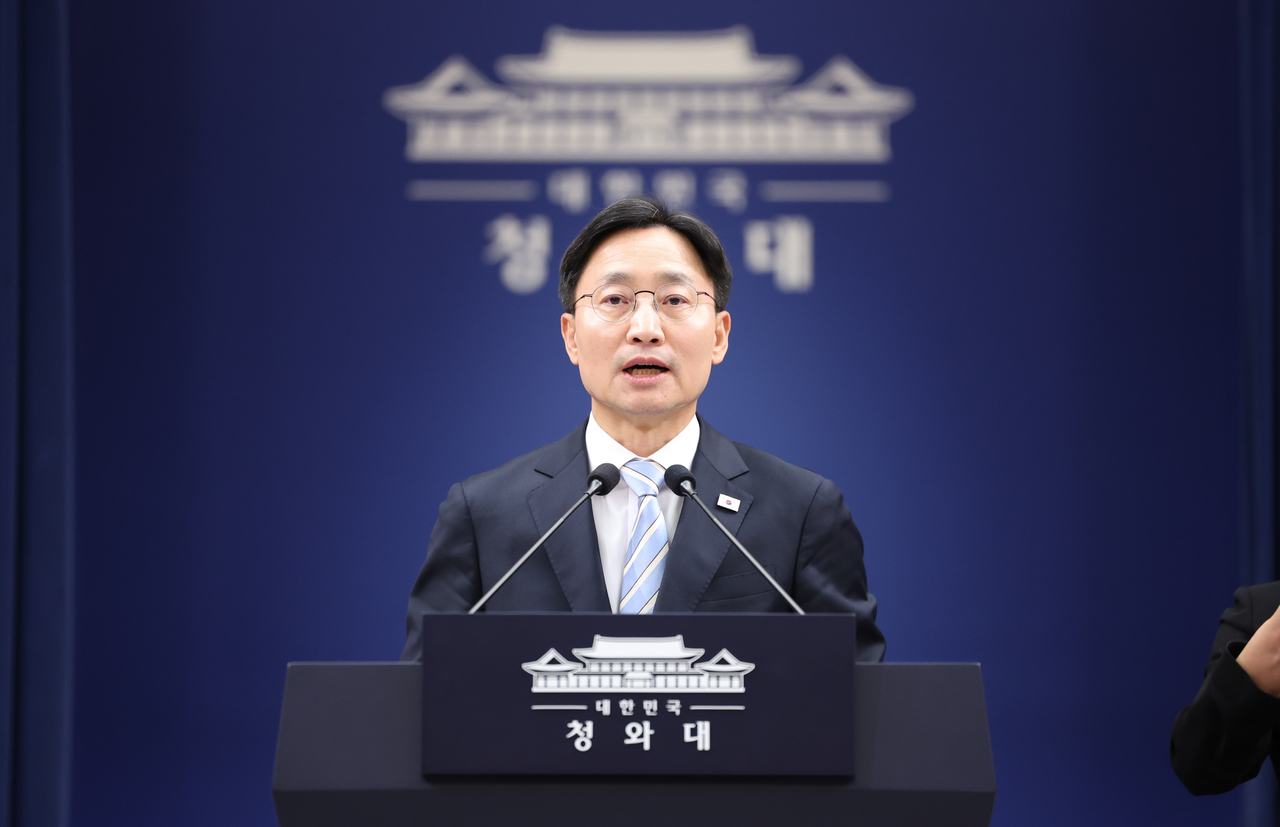
President Lee Jae Myung on Monday announced a sweeping reshuffle of his Cabinet and national security leadership, naming new nominees to lead the National Intelligence Service and the foreign and unification ministries among five senior government appointments.
Former Justice Minister Kang Kum-sil was tapped to head the NIS, while second deputy director of national security Lim Woong-soon was nominated as foreign minister and former Senior Presidential Secretary for Political Affairs Hong Ihk-pyo as unification minister.
Lee also named nominees to lead the interior and culture ministries.
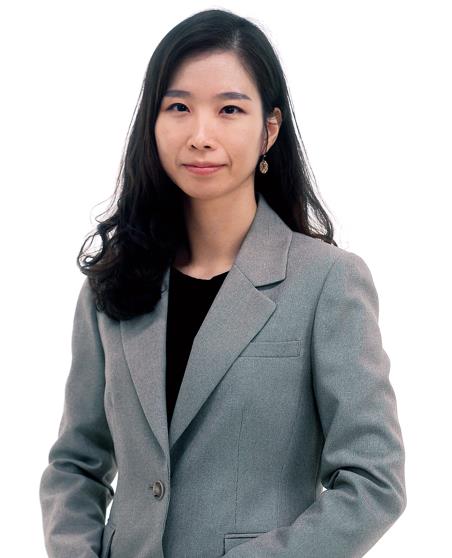
If appointed, Kang would become the first woman to head South Korea's spy agency since its establishment in 1961.
A former judge and lawyer, she made history as the country's first female justice minister under President Roh Moo-hyun in 2003, spearheading efforts to reform the prosecution service.
Kang has served as South Korea's ambassador for global climate and environmental affairs since January and previously served as an ambassador for women's human rights.
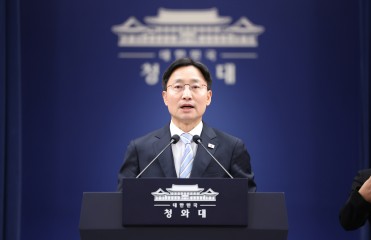
At a press briefing, presidential chief of staff Lim Kwang-hyun cited her experience in legal affairs and international cooperation, saying she was well suited to strengthening democratic oversight of the NIS and addressing emerging security threats, including cyberthreats.
Lim Woong-soon, a career diplomat with extensive experience in US affairs, has served as second deputy national security adviser since June 2025. A former ambassador to Canada, he also held diplomatic postings in Washington and New York.
The presidential office said Lim Woong-soon was expected to reinforce the South Korea-US alliance while expanding cooperation in security, trade, industry and advanced technology.
Hong, a former three-term Democratic Party of Korea lawmaker, previously served as the party's floor leader and worked at the Korea Institute for International Economic Policy.
The presidential office said Hong would pursue practical measures to promote peaceful coexistence on the Korean Peninsula.
Reshuffle tilts security team toward US alliance
The reshuffle comes amid reported strains in intelligence cooperation between Seoul and Washington.
Washington has reportedly restricted intelligence sharing on North Korea's nuclear facilities since outgoing Unification Minister Chung Dong-young publicly identified Kusong as a uranium-enrichment site during a National Assembly session in March. US officials reportedly regarded the disclosure as involving classified intelligence shared with Seoul.
The reshuffle also marks the departure of key figures associated with the so-called autonomy-oriented faction within Seoul's national security establishment, which advocates greater diplomatic independence and engagement with North Korea.
Chung and outgoing NIS Director Lee Jong-seok have been associated with that camp, in contrast to the alliance-focused faction, which prioritizes close coordination with Washington.
Their departures, coupled with the nomination of Lim Woong-soon, a veteran diplomat specializing in US affairs, could signal a shift in the balance of influence within Lee's security team toward the alliance-focused camp.
At Monday's briefing, however, the presidential chief of staff emphasized that "a strong Korea-US alliance is a core pillar of our government's policy, as is the goal of establishing peace on the Korean Peninsula."
Trusted allies tapped for key posts
Beyond the national security shake-up, Lee nominated Rep. Han Jun-ho, a second-term Democratic Party lawmaker and former television announcer, as minister of the interior and safety.
Kang Yu-jung, a former cultural critic and university professor currently serving as the presidential office's senior spokesperson, was nominated as minister of culture, sports and tourism.
The reshuffle also highlights Lee's preference for figures with close political or professional ties to him, placing trusted allies in key government positions.
Kang Kum-sil chaired Lee's fundraising committee during his bid for the Democratic Party's presidential nomination in 2021 and later served as a co-chair of his presidential campaign committee in 2025.
Three of the four Cabinet nominees — Lim Woong-soon, Hong and Kang Yu-jung — have served in Lee's presidential office.
Han, meanwhile, served on the Democratic Party's leadership council when Lee was party chairman and is regarded as a close political ally of the president.
The five nominees are expected to undergo parliamentary confirmation hearings in the coming weeks. However, their appointments do not require National Assembly approval, meaning Lee can proceed even without parliamentary endorsement, subject to statutory procedures.
"The appointments are aimed at injecting fresh, forward-looking leadership into the administration to reinvigorate state affairs, accelerate policy implementation and deliver results that people can feel in their daily lives," Lim Kwang-hyun said.
dagyumji@heraldcorp.com