Tiny cameras and smart glasses need a hidden phone to reach cloud AI, which is why authorities turned emergency broadcasts into a detection tool
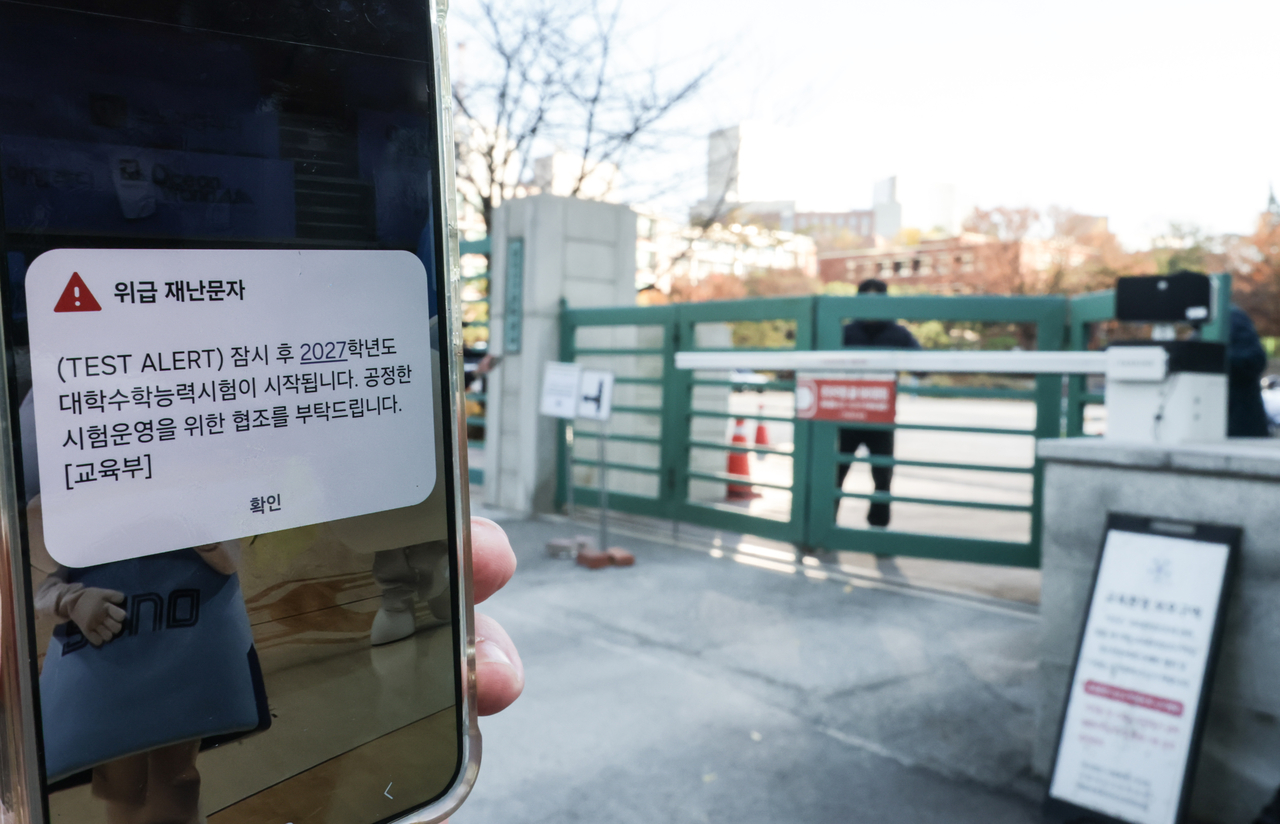
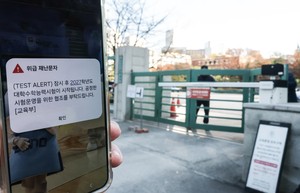
At 8:30 a.m. Thursday, mobile phones across South Korea blared a 10.5-second emergency siren at maximum volume as the government used its highest-level disaster alert system for the first time to deter cheating on the country's college entrance exam. Two unannounced follow-up alerts sounded at 2:21 p.m. and 2:57 p.m.
The initial message, marked "TEST ALERT," asked the public for cooperation ahead of the College Scholastic Ability Test, or Suneung, taken this year by more than 550,000 students. By 11:30 a.m., the Education Ministry said the morning alarm had uncovered 22 unsubmitted smartphones across nine cities and provinces.
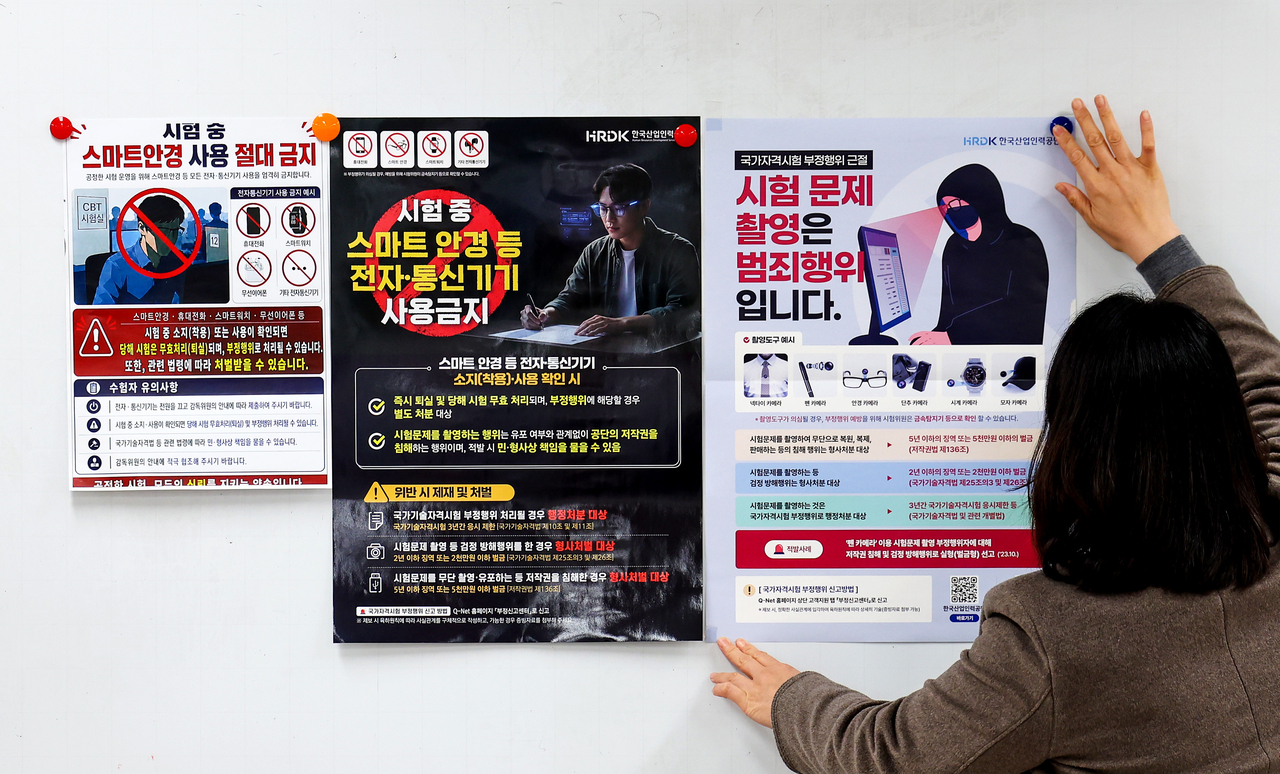
The unprecedented broadcast came days after the top scorer on a national tax accountant exam admitted Sunday to cheating with a miniature camera, generative AI and a small monitor. That confession prompted officials to tighten eyeglass inspections, cover shirt buttons with stickers and ban personal pens.
But with body searches of half a million students and wireless jamming off the table, authorities turned the phones' own emergency receivers into a detection tool. Unlike standard alerts, highest-level cell broadcasts override silent mode and reach any powered-on phone connected to a cellular network, even with mobile data switched off.
That prevents candidates from keeping a hidden handset quietly on standby and toggling data on only when needed. The unannounced afternoon sirens targeted phones switched off during the morning alarm and turned back on later.
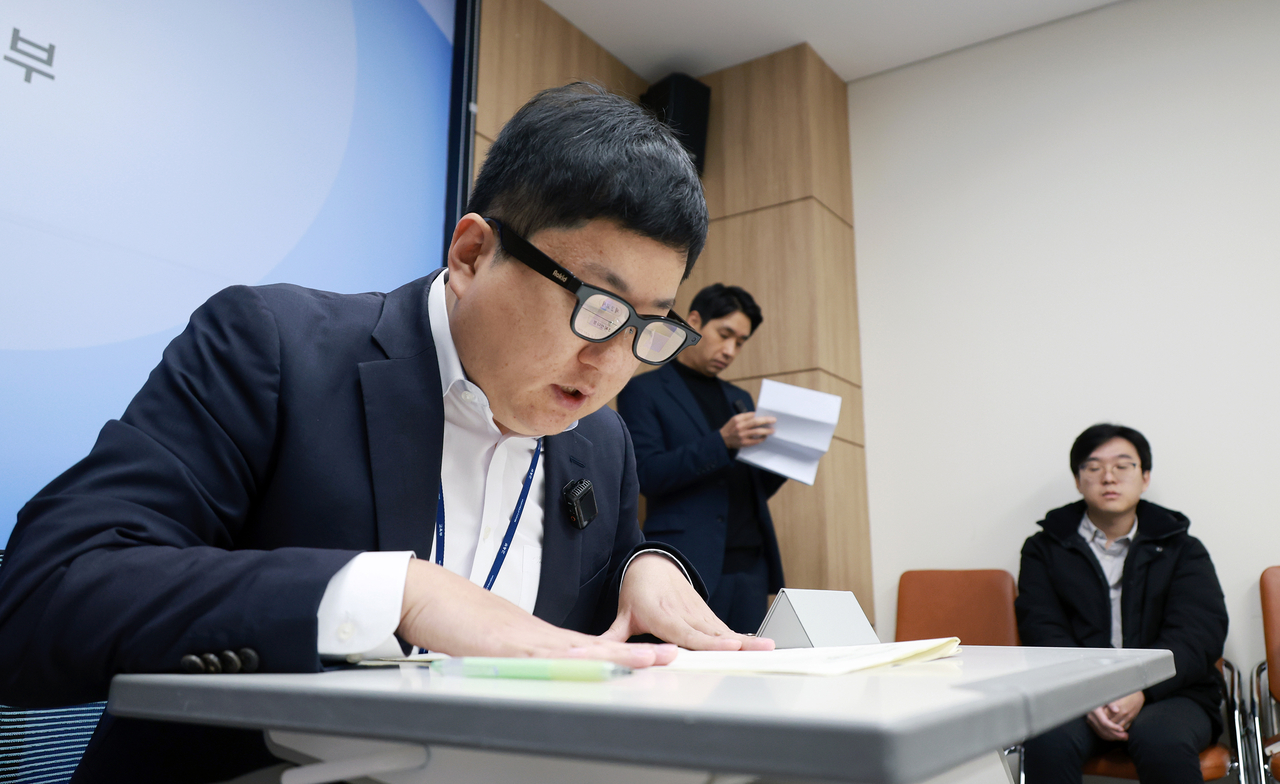
While smart glasses, button cameras and micro earpieces drew most of the public alarm, four technology experts interviewed by The Korea Herald pointed to a more familiar device at the center of those setups: the smartphone.
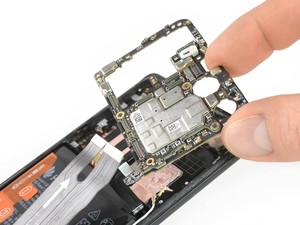
Because tiny electronic devices of any kind lack the hardware to run or directly reach cloud-based AI on their own, they rely on a nearby handset, meaning exposing the phone breaks the entire chain.
Why hidden smartphones matter more than tiny cameras
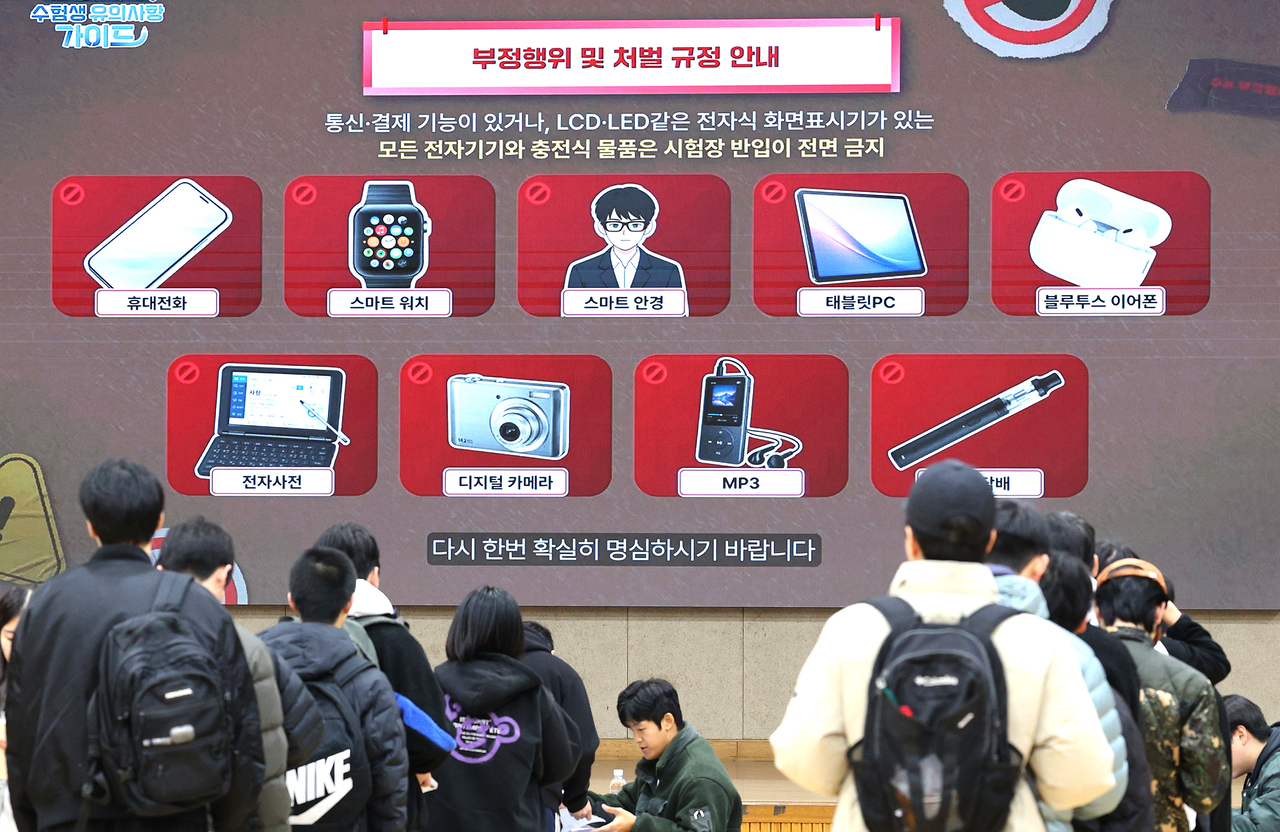
"Small wearable-sized devices simply have no room for large batteries or high-performance AI chips, and they cannot handle the heat," said Yoo Hoi-jun, a distinguished professor of electrical engineering at KAIST.
Even when ultra-lightweight models like Gemini Nano run directly on wearables, Yoo added, their accuracy stops at basic voice commands. They fall far short of the complex reasoning needed for Suneung questions.
Commercial product design follows those same physical limits. Michael Chong, CEO of South Korean smart-glasses maker Seerslab, said consumer frames are built for everyday comfort rather than heavy computing. Even high-end models with dedicated wearable chips cannot solve complex exam problems without connecting to a phone.
"A miniature camera or smart glasses send images of exam questions to a smartphone over short-range Bluetooth or Wi-Fi," explained Choi Wan, a wireless communications professor at Seoul National University. "The phone then relays those images to cloud-based AI over a cellular network and sends the answers back to the student."
Why authorities cannot directly block or find hidden phones
On Thursday, authorities shut down school Wi-Fi and nearby public networks while hallway supervisors scanned for new hotspots. Still, wireless physics leaves multiple routes open.
"Turning off Wi-Fi blocks one route to cloud AI, yet smartphones stay connected through cellular networks," Choi said. "And disabling a school's Wi-Fi doesn't necessarily stop Bluetooth communication between devices."
Radio detectors can spot active Bluetooth or Wi-Fi traffic inside a classroom, Choi added. However, they cannot pinpoint which student holds the device without supervisors walking desk to desk and disrupting the exam.
Blocking signals outright is also off-limits. Chang Kyung-Hi, a mobile communications professor at Inha University, noted that covert cameras and wireless gear span frequencies from 400 megahertz to 6 gigahertz.
Jamming those bands violates South Korea's Radio Waves Act and risks knocking out mobile service and banking transactions for residents outside school grounds.
"You could install low-power jammers inside individual classrooms to contain the interference," Chang said. Doing so across more than 1,300 test centers on two days' notice, however, was impossible, he said.
Chang added that radio detectors also miss phones kept powered off until needed.
Emergency broadcasts are not airtight either. In a test conducted by local news outlet News1 during the exam, reporters connected an Android phone to a PC and used AI tools to alter system-level settings. The modified device blocked both the screen warning and the siren while keeping cellular data active.
The Interior Ministry acknowledged that while standard-compliant phones receive broadcasts automatically, illegal modifications or software conflicts can stop them from sounding.
Because wireless tools cannot catch every device, and privacy laws bar universal body searches, authorities deployed 8,400 extra supervisors to inspect eyeglasses, cover buttons and use metal detectors when cheating was suspected.
"Ultimately, the priority is to prevent students from bringing in the smartphones that serve as the link between miniature devices and external AI," Chang said.
mjh@heraldcorp.com