
Apple Pay expands access through Kakao Bank, while Garmin enters market, local platforms vie for offline users
South Korea’s digital payment market is heating up, as global and domestic players expand their services to capture a growing pool of users, with competition spreading from smartphones to smartwatches and offline stores.
Apple Pay is broadening its reach in South Korea, with Kakao Bank beginning to support the service on Monday and Toss Bank reportedly preparing to follow.
Since its Korean debut in 2023, Apple Pay had been available only to Hyundai Card customers. The addition of Kakao Bank and potentially Toss Bank will broaden access to the service, reflecting growing opportunities in the country’s digital payments market.
Apple Pay added T-money support in July last year, allowing users to pay for public transportation with their iPhones and Apple Watches. The move has brought iPhone users closer to a wallet-free lifestyle, reducing the need to carry separate physical cards.
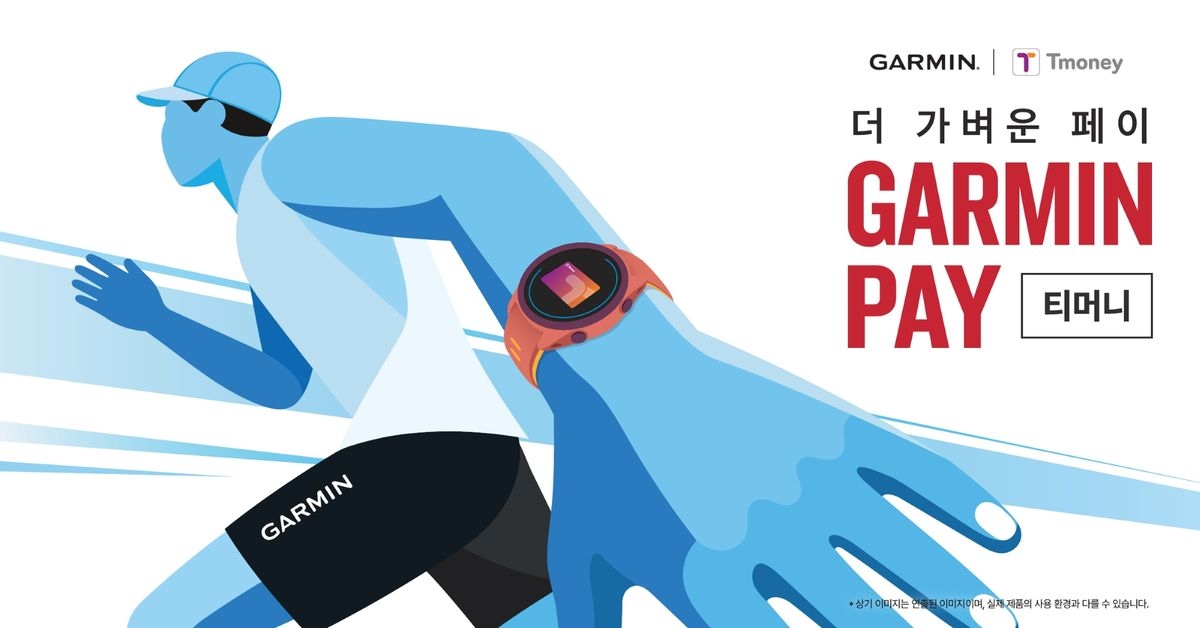
Garmin, best known for its navigation devices and sports watches, recently joined the race by launching Garmin Pay in South Korea, bringing T-money payments to its smartwatches.
Users can register a T-money card to pay for public transportation and make other T-money transactions without carrying a smartphone or physical card.
Samsung Electronics, long a dominant player in offline mobile payments through Samsung Pay, is also broadening its financial services.
The company launched Samsung Wallet Money and Points in October 2025. The services surpassed 1 million users within two months and 3 million within a year. They are accepted at merchants nationwide and also support overseas payments.
Toss, Naver step up fight for offline payments
Meanwhile, domestic financial technology platforms Naver Pay and Toss are vying for a bigger share of offline payments through facial recognition services.
Toss has been offering incentives for Face Pay, including a promotion that gives users rewards worth up to 20 percent of transaction amounts through year-end.
The rivalry has also spilled over into merchant services. Toss recently filed a complaint with the Korea Fair Trade Commission, accusing Naver of discriminating against merchants using Toss' point-of-sale system. Naver has disputed the allegation.
Digital payment boom drives electronic financial revenue to record
The expansion of digital payments has helped push South Korea’s electronic financial services industry to record first-half revenue this year, reflecting the growing commercial potential of the market.
Revenue at electronic financial service providers reached 6.3 trillion won ($4.7 billion) in the January-June period, up 14.5 percent from 5.5 trillion won a year earlier, according to data released by the Financial Supervisory Service on Tuesday. It was the highest first-half figure on record.
Payment gateway services accounted for the largest share at 4.8 trillion won, followed by the issuance and management of prepaid electronic payment instruments at 1.1 trillion won.
The growth of digital payments has been a key driver of the expansion. Digital payment services allow consumers to pay with cards or bank accounts linked to their devices without repeatedly entering payment details.
The average daily value of digital payment transactions reached 1.2 trillion won in the first half, up 16.8 percent on-year, according to Bank of Korea data. Transactions processed by electronic financial service providers averaged 680 billion won a day, up 17.5 percent, while those through mobile device manufacturers rose 14.4 percent to 286.2 billion won.
“As the digital payments market grows rapidly, more domestic and foreign companies are eyeing its profit potential,” an industry official said. “Companies are rolling out more convenient services and attractive rewards to win over users.”
“More consumers are getting into the habit of paying through digital services rather than using physical cards,” another industry official said. “Payment providers can also leverage transaction and spending data for more targeted advertising, fueling a fierce battle for control of the digital payment ecosystem.”
ch0221@heraldcorp.com