Early in the morning, hours before the mall opens, people line up at Yongsan Station in central Seoul — not for the trains but for merchandise featuring viral characters from the Japanese manga series "Chiikawa."
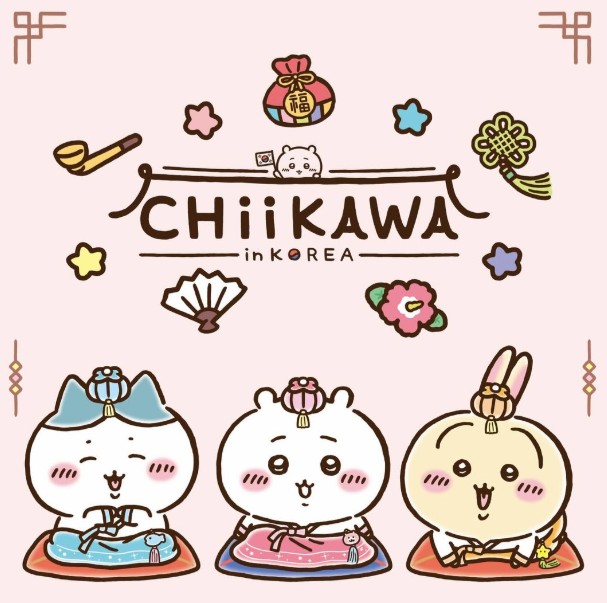
At the first and only official Chiikawa store in South Korea, fans in their 20s and 30s wait for hours to buy plush toys, key rings, phone cases, stationery and other goods featuring the characters: Chiikawa, Hachiware, Usagi and more.
The name Chiikawa comes from the Japanese words "chiisakute," meaning small, and "kawaii," meaning cute; thus, the original title translates to "Something kind of small and cute."
The characters were created by Japanese illustrator Nagano, who began serializing them on X in 2020. Later in 2022, short animated clips began airing on TV in Japan. The series has since grown into a major character franchise, and is particularly popular among Korean adults.
The characters resemble hamsters, cats, rabbits and other small animals that are full of appeal with their adorable, sweet voices.
The craze, however, is not just about cuteness. Beneath the animation's seemingly cheerful, sunny world lies darkness that often mirrors the struggles of everyday life.
"Liking a lovely character is human nature," said pop culture critic Ha Jae-keun. "At the same time, these characters contain realistic elements that people can relate to. Because of that, they feel both adorable and relatable, which seems to strengthen the fandom."
The characters face everyday struggles similar to those faced by young adults, from earning money to finding a home.
"Chiikawa goes beyond characters and character products," said Lee Hong-joo, professor of consumer economics at Sookmyung Women's University.
"Among people in their 20s and 30s, the characters provide a cultural code that comforts their souls," Lee said.
Rather than simply being another form of "kidult" consumption, the Chiikawa phenomenon is a way for adults to find emotional comfort and express their identities, Lee said.
While kidult consumption generally refers to adults purchasing products associated with childhood tastes, such as toys they enjoyed as children, the Chiikawa phenomenon centers around fans who relate to the characters and enjoy the content as adults.
"As economic and social uncertainty grows, the value of consumption that provides immediate emotional satisfaction is increasing," Lee said.
The phenomenon includes collaborations with fashion companies such as clothing brands Spao and Wacky Willy, rain gear brand W.P.C. and Korean baseball team LG Twins.
An animated film entitled "Chiikawa the Movie: The Secret of the Mermaid Island" is set to open in Korean theaters on Wednesday.
mjcha@heraldcorp.com