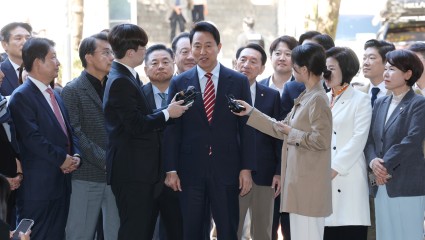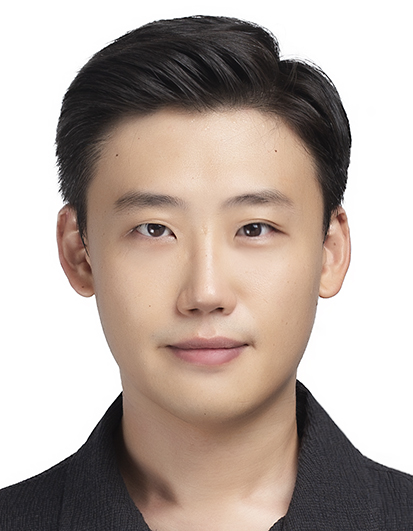

Internal division within the ruling Democratic Party of Korea appears to be growing as left-leaning commentators accuse President Lee Jae Myung of alienating core supporters in his effort to appeal to swing voters.
The controversy comes less than two months before the party's Aug. 17 national convention, where members will elect a new chairperson.
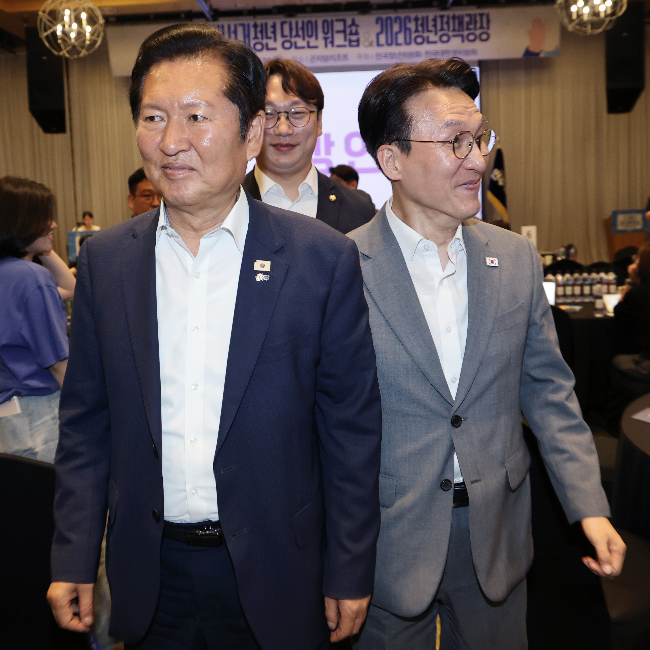
The race is shaping up to be a contest between outgoing Prime Minister Kim Min-seok and Rep. Jung Chung-rae, who recently stepped down as party chair to allow himself to compete for a second term.
The criticism reflects a widening debate within the governing party over Lee's push to move beyond the Democratic Party's traditional progressive base.
While Lee's supporters argue that the president must attract moderates to maintain public support and expand his governing coalition, critics contend that the strategy risks diluting the party's political identity and alienating loyal supporters.
The latest flashpoint came Friday when commentator Rhyu Si-min, who served as health and welfare minister under former President Roh Moo-hyun, targeted Lee and his supporters as he appeared on a political show hosted by popular left-wing commentator Kim Ou-joon.
Likening the Democratic Party to a building, Rhyu said, "People who supported and cheered for President Lee wanted to add some floors, but it seems the president intends to carry out a reconstruction."
But in order to do that, he must "win consent from the residents" in the building, Rhyu said.
"It is desirable for President Lee to become the president of all. ... The problem is that it seems the president might be overly confident."
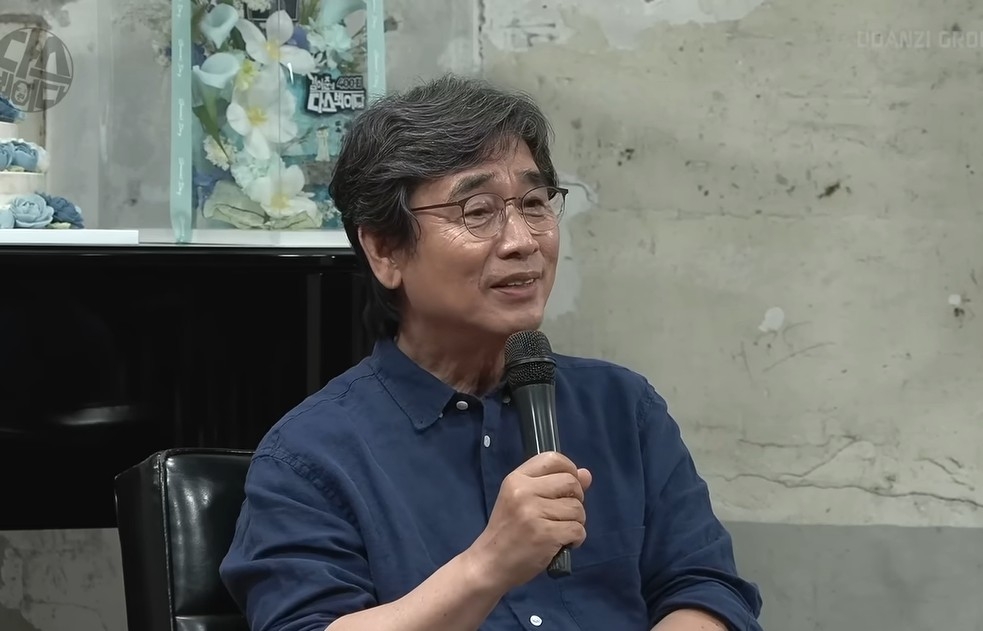
Kim Ou-joon, thought to lean toward Jung, also claimed Thursday that Lee's recent drop in approval rating stems from the departure of "core supporters."
The presidential office moved to address these remarks.
Hong Ihk-pyo, senior presidential secretary for political affairs, said in a radio appearance Monday that the decision was not up to politicians.
"If we are dealing with a single individual house in an urban development, there are options of expansion, redevelopment and reconstruction. But if an entire region is affected, we may seek urban regeneration or area redevelopment," said Hong of Cheong Wa Dae in an SBS radio interview.
"Deciding what to do ultimately rests with the people."
Rep. Lee Un-ju, a two-term Democratic Party lawmaker, claimed in a YTN interview aired Monday that Rhyu and his sympathizers were using an outdated technique of "othering."
Jung said in a public appearance Sunday that the controversy over commentators' remarks shows that now was the time to "reflect on the history of the Democratic Party, which has evolved into a party signaling unity and solidarity."
Also on Monday, Rep. Jo Seoung-lae, a lawmaker considered Jung's aide who stepped down as secretary general of the Democratic Party at the same time as Jung resigned as chair, told reporters Monday that the recent flare-up was "needed to make (the party) more mature and grow up."
"No organization would grow up without a debate, a dispute and a conflict internally," Jo said.
Meanwhile, another debate centers around whether Jung had attended former President Roh's funeral in 2009.
Six-term lawmaker Rep. Song Young-gil, one of the party chair hopefuls, claimed in a radio interview Monday that Jung could not attend the funeral because their relationship had soured. Jung later responded by saying on a Facebook post that it was "a 100 percent lie"
The Democratic Party is not the only political party of South Korea roiled by an internal feud.
On Monday, an argument unfolded between Rep. Woo Jae-jun, a lawmaker and a supreme council member of the People Power Party, and his fellow supreme council member Kim Min-soo.
Woo demanded that opposition party Chair Rep. Jang Dong-hyeok resign, while Kim argued Woo should resign, adding that Woo should refrain from insulting the party's chair.
It was the latest call for Jang's resignation after the June election defeat. Those siding with Jang called for solidarity in dealing with the aftermath of the election authorities' failure to prevent Election Day delays caused by ballot shortage.
The conflict escalated after Jang warned Friday that there was a need to review pending disciplinary action against members of opposing factions.
consnow@heraldcorp.com