

Much of the gains from Korea’s stock rally are redirected into real estate, limiting consumer spending

South Korean households spend only about 130 won ($0.09) out of every 10,000 won gained from stock investments, with much of the profits flowing back into real estate rather than consumption, a report by the Bank of Korea showed Thursday.
According to the central bank's macroeconomic analysts, households spend just 1.3 percent of capital gains from stocks on goods and services, falling short of the roughly 3-4 percent seen in the US and Europe.
The report found that a large share of stock investment gains is redirected into real estate, limiting headroom for consumer spending. Among households without homes, an estimated 70 percent of stock-related capital gains were used for real estate investment.
They added that recent data on home purchases in Seoul showed a growing number of buyers using proceeds from stock sales to finance housing acquisitions.
The analysts also said the low consumption rate stems from other factors, including a relatively narrow investor base and the domestic stock market's low profitability and high volatility.
South Korean households' stock holdings amounted to 77 percent of disposable income in 2024, far below levels in the US (256 percent) and major European economies (184 percent).
In addition, stock ownership remains concentrated among high-income households, whose consumption patterns tend to be less sensitive to stock price fluctuations.
The report also pointed to the domestic stock market’s relatively weak returns and sharp volatility. Between 2011 and 2024, expected returns in South Korea’s stock market amounted to roughly one-sixth of those in the US market, making households less likely to regard stock gains as a stable source of income for regular spending.
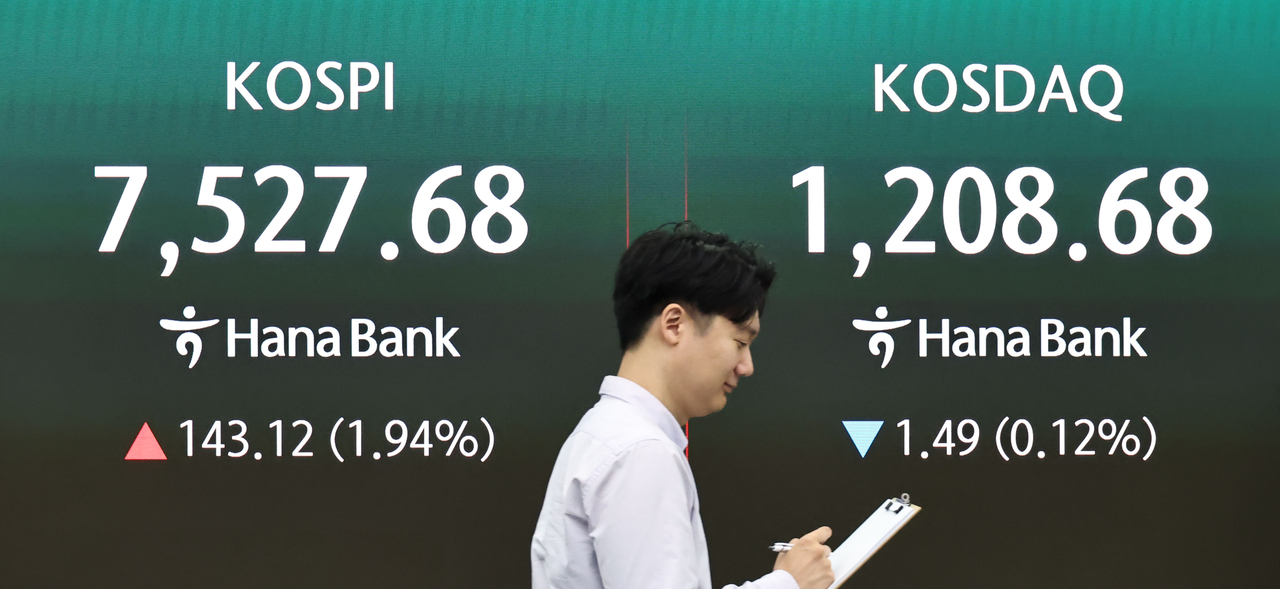
The analysts added that the South Korean stock market environment is gradually improving. They claimed that surging global demand for artificial intelligence has drastically lifted stock indices, leading to increased stock holdings and expected returns as well as participant diversification.
However, they cautioned that investors should watch for abrupt market shifts that could trigger changes in indices. The analysts also emphasized the need for a more stable stock market, which can be achieved primarily by stabilizing real estate prices.
shwang9@heraldcorp.com